
Pubs, gambling addiction and sharam
Warning: Today's newsletter features accounts of addiction and suicide attempts

This article took a lot of resources to put together but must be free for it to gain a wide readership. Please donate as much as you can to my Ko-Fi here to support it! But most of all please share widely
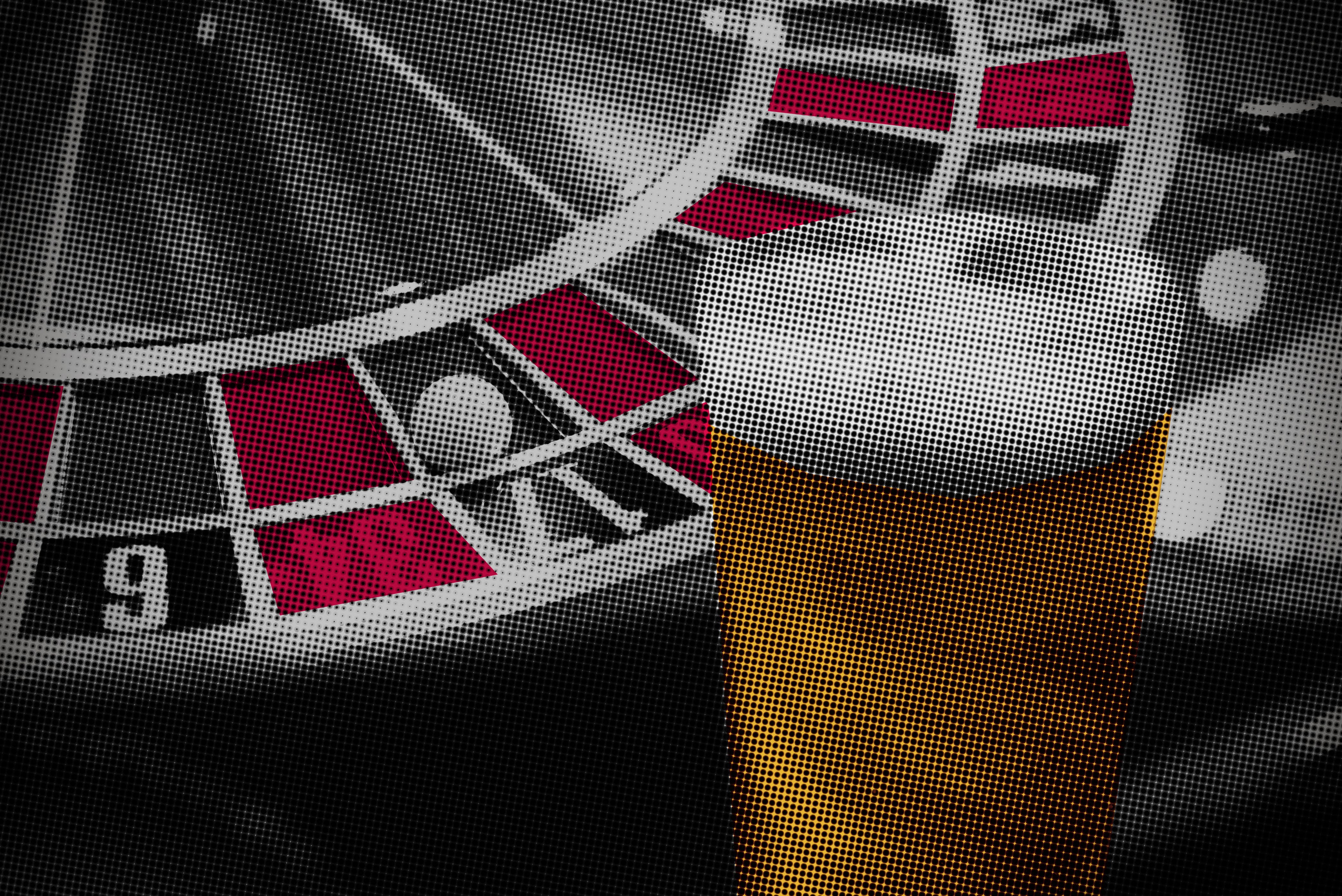
Harj Gahley’s lucky streak began one clear night 17 years ago. He was with friends who took him to a casino offering free drinks; intrigued, he sat down while they explained the rules. He then played the hand he was dealt.
Pints from the pub became chips at the Blackjack table. £20 became £60. He returned. Once a fortnight. Weekly. Daily. No need to bring friends.
Three-card poker. Roulette. The bookies. The horses. The dogs. The football. Blackjack started to piss him off. 19 beaten by 20. 20 beaten by 21. The house was always one better.
His friend tried to explain accumulators but it was too complicated—you’re giving me a headache. But a horse, you can see it run and its odds. £100. £200. On the nose.
Need a system. Racing Post. Speed ratings. Trainers. Stocks. Soft. Hard. Calculated bets.
Then the Vegas skyline gently melted into view. Rushing to the toilets at work to check his bet on his phone. £200. £400 to replace the £200. £600 to replace the £400.
Vegas is now in Harj’s pocket. Psychological war dressed up as entertainment—plenty of hairspray and a big cigar. When the fun stops, he’ll stop—but no one likes losing. Harj has a 100k-a-year job but he wants what he’s been promised, the lifestyle he’s now been opened up to.
Bills. Mortgages. He doesn’t give a shit: his sole focus is now recoup losses and hit the jackpot. Why work like a dog when a few bets could pay off? Why save for years only to cash in your fears?
Harj’s lucky streak ended one clear night six years ago. 16 June, 2020. His wife was pregnant with their second child and holidays kept being cancelled with final demand letters appearing. She gained access to his Monzo account; Harj was £250,000 in debt.
“There’s only so much drugs or alcohol you can take before it gets too much,” Harj says. “Gambling keeps you conscious with cliff-hangers all the time and rather than spending £100 [on booze] you can spend £100 in seconds.”
“Gambling was causing me pain and drink became the thing to numb the pain,” Harj tells me.
Harj isn’t a one-off. There’s thousands like him who have been exploited by betting companies and have lost everything. Some have committed suicide because of their addictions, while many have hurt their loved ones by their actions; Harj tried to kill himself in August, 2020 by driving his car into a road’s central reserve.
I say thousands of addicts but it’s probably much more than we realise because—guess what—betting companies won’t provide data that could lead to us being shocked into calling for radical reform. They won’t even release information on how much revenue they gain from the highest volume gamblers.
Harj now works as a speaker, helping people (especially those of South Asian origin) with addiction, and is regularly contacted by high-stakes gamblers. One man recently told him he lost £70,000 in a few hours, which shows there’s little due diligence taking place in this growth—and self-regulated—tax-avoiding industry.
Worst still, the dangers of drinking while gambling never seem to be discussed which is something quite alarming if you consider how alcohol affects your rationale. I don’t think, therefore, it’s an exaggeration to say that the connection with betting machines and pubs is bleak.
“The reasons why pubs have them is because it keeps the punters in and they drink more,” Harj says.
He then goes on to explain that he’s never heard of instances where publicans or managers have stopped problematic gamblers—you may get an “are you ok to gamble this amount” very occasionally, he tells me. In fact, in establishments where alcohol and betting take place it’s often the opposite.
“I’ve been told by people in the industry that they’ve been told to not actively intervene with people who have a problem,” Harj tells me.
When it comes to the logistics of the gambling industry, facts are purposely hard to obtain, but Harj tells me that unless a betting terminal is in a large chain pub then most don’t even take a small cut of the profits. It simply is a way of keeping gamblers in a boozer. And a lot of these players who you’ll see in the pub all day are addicts—a severe disorder being indulged by those who who normally value community.
But would you drink in a pub that was serving well-known alcoholics? No. But gamblers? I have regularly. The issue, perhaps, is that a lot of people don’t culturally see gambling addiction as a systemic problem or one that’s as harmful as other compulsions. Or perhaps it’s become interwoven into some people’s daily lives that we just accept it.
“Only small sums were actually paid out, the winners of the big prizes being nonexistent persons. It was their delight, their folly, their anodyne, their intellectual stimulant.” - From 1984 by George Orwell
Which is obtuse considering that medical practitioners, such as the NHS, consider it to be like a substance addiction because it constantly stimulates the brain’s reward system and the fallout heaps pain on everyone concerned.
“If a publican has a child or family member that commits suicide because of gambling do you think they would have a betting machine in their pub?” Harj says.
But we’re not talking about fruit machines that pay out jackpots of £20 (AKA arcade machines) but fixed-odd betting terminals, which are endemic in discount chains (Spoons etc) and—worryingly for South Asians—places I mention in my book, Desi Pubs.
Anyone can lose big on fixed-odd betting terminals—like this man in Gateshead, who squandered £100K—and they’re ubiquitous in the most deprived areas, according to the BBC, with each terminal taking an average of over £48K a year.
And if you walk into the pubs where desis drink and you’d see the uncles and the younger crowd playing these machines. In fact, they’re in a lot of the photos in my book, so it may surprise you that white people are more likely to be gamblers.
“We don’t gamble as much as white ethnicities but the [South Asian] ones that do are five times more likely to suffer severe gambling-related harms,” Harj says.
In other words South Asians might not gamble as much but we do have huge problems when it comes to gambling addiction.
Harj’s family—like mine—were massive football fans and betting firms target us; the first-ever sponsor of the Kabaddi World Cup was Paddy Power and potential role models, such as Punjabi singer Karan Aujla (13.8m+ Instagram followers), are sponsored by the likes of Stake.
“They are cynically and systematically targeting people of South Asian origin because they understand how our minds work,” Harj says. “They don’t give a shit about you, your family or your well-being—they’re after your money at all costs.”
This makes betting inescapable—whatever your ethnicity is—especially if you’re planning to go to the pub to watch football.
Not only are a majority of domestic teams sponsored by gambling firms but the in-play bets (say, when you are told the odds of a bet on the next goalscorer) are ubiquitous. It’s all a way of getting the viewer’s eyes from the TV screen to their devices. And it works.
Just ask the family of Inder Daggar. The former captain for the Slough men’s hockey team was jailed for six years after swindling about £3m from loved ones, friends and investors to fund his addiction.
“South Asians don’t think it’s a problem but there’s a massive amount of secrecy, more so than in alcohol or drugs,” Harj says. “It’s sharam [a widely used Asian term for shame] because they fear being ostracised or being shunned. It happens a lot more than you think.”
“‘It isn’t fair, it isn’t right,’ Mrs. Hutchinson screamed, and then they were upon her.” From the Lottery by Shirley Jackson
Harj’s wife discovering his gambling was actually the beginning of his winning streak. He was living with his in-laws and when his wife’s father found out he said: “he has a problem, let’s help him”.
They urged him to get professional help, so he reached out to his local Gurdwara (temple) and was infuriated by how they judged him instead of showing some empathy—“they made me feel like a piece of shit”. He gained a therapist from the NHS, who gave him Zoom sessions as it was during the Pandemic, but this didn’t work as they didn’t understand or realise the weight of his cultural baggage.
Then he tried to kill himself, which he admits was so botched that he escaped injury.
But his next therapist changed his fate. “She made me realise that people with addicts have a superpower,” Harj says. She said that he should harness the energy he used to gambling to get himself out of debt and Harj offered his services as a commission-only salesperson at his friend’s failing security firm.
£30K in revenue became £1.25m (it’s now £7m-£8m a year in revenue). It then gave him the platform to help others.
Harj’s story is almost the reverse of mine—I did not have progressive, understanding parents.
My father had substance abuse issues, especially with alcohol, and he gambled and exposed it to me at a young age. He joined a casino in Luton, blagging it to my mum by saying it was so he could use the car park when we went to the football.
This meant matchdays as a 10-year-old started at midday watching him gamble and drink (and then drive) in one of the least glamourous places imaginable.
In late 1980s Bedfordshire, life often was slow-paced but those casino hours were stupefyingly boring to the point where they actually provided a decent service. The best advert for not gambling. Actually his anger and problematic drinking when he lost is always a traumatic reminder of how much gambling was a wrecking ball in our family life.
All this is wrapped up in shame—sharam is a shroud that enwraps my childhood memories.
I was shown how pathetic the gambling world is and that hasn’t changed in 2026. I do gamble very occasionally but because I know I have issues with adrenaline—any serious reporter will tell you the job is all about the thrill of the chase—I only place bets that take a long time to be realised (a team to win the league; the next Prime Minister).
I also believed that if I won I was beating these gambling companies that I truly despise. But once I get that adrenaline rush I want it more and more and the house— corrupt as it is—always wins.
So after hearing about Harj, I deleted all the betting apps and have even thought about giving watching the World Cup a miss—go to a nice freehouse without TVs instead, while everyone else watches the latest sham in the sun.
And I hope Harj’s story makes anyone affected by gambling reach out for help. The shame you may feel is nothing compared to the sharam we all should feel for creating a society where the highest-grossing salary is handed to a founder of a betting firm.
Until we force legislators to do the right thing, we can only hope that publicans see these machines for what they really are. The stuff of nightmares.
But just imagine a world where one of these virtual casinos is replaced by a jukebox: it’s easy if you try.
Harj’s charity Soch Care provides free, confidential and non-judgmental support to South Asians that are struggling with gambling, drugs, substance abuse and mental health, offering support in Hindi, Urdu, Punjabi, Gujarati, Arabic and English.
The national gambling helpline is on 0808 802 0133
Apologies to Louise Wener (Sleeper: Vegas), Shirley Jackson (The Lottery) and John Lennon (Imagine) for providing some of the phrases and imagery I’ve pinched.