
The Scotsman: 'word spread like wildfire'
How a Southall, West London desi pub serves up incredible food after standing up to racism

Desi Food Guide is available to paid subscribers for £5/month or £50/year. If you want a taste of what to expect the first four posts can be read for free here.
I’m offering my award-winning book, Desi Pubs, at Amazon prices. I can have it sent to you very quickly for £12.29! Message me on Bluesky for copies. There’s a review of it here - ‘The most important volume about pubs for half a century.’
This newsletter can feature graphic accounts of racism and violence

Come with me to the Scotsman and as the bible says, we’ll break bread in our new home, eat together with glad and sincere hearts.
And what bread. Naan, hung like the catch of the day. Known as table naan in other parts of the country, this is not-so-flat bread that soaks up the trauma of the past. A history that lingers like a ghost in the walls.
There’s a wonderfully disorientating feeling whenever I walk around Southall - 25 years ago it was unlike anywhere else in London that I’d seen when I moved to the area as a student. I still feel the same a quarter of a century later.
Southall is so varied, so personal to me, that it is hard to describe it to people who are unfamiliar with it. The best I can say is: Imagine a town that has somehow managed to recreate many aspects of daily life in South Asia—it’s often dubbed “Little India”—but appears distinctly harmonious, with Sikh, Hindu, Muslim, and Christian residents all living side by side.
Fireworks when India win. Pan leaves. Super Singh’s.
A friend, Saptarshi Ray, who used to work in Southall for a magazine, once told me: “We used to joke that this place gets more and more like India every day. It’s only a matter of time before you see a cow walking down the high street.”
But for all that Southall looks to me like South Asia at a glance, it is still inescapably British-Asian. I fear change is coming, though, with the new ‘Green Quarter’ feeling like it could rip Southall’s soul away.
I spoke to a feted restaurant owner who gushed that it was more like Dubai than Southall. I got a taste of that Emirates myself, when I walked through the Berkeley Homes development and saw a security guard telling people not to sit on the grass next to the station.
At the Scotsman, thankfully, there’s a slice of Southall that’s being preserved. The more inclusive, welcoming kind. I’ve brought all types here including friends from other countries, like Nick, who lives in New York - he took a lot of convincing to travel from the centre for a football match. He was astounded and it changed him.
On the way home he told me: “America is famous for being a melting pot but you guys do the real thing without making any fuss about it.”
But the fuss is needed because it hasn’t always been like this. In fact, the Scotsman was a hostile pub where customers of India origin were segregated or worse. The current owner, and chef, Shinda Mahal, below, helped change this when it was bought by the guys behind the legendary Glassy Junction.
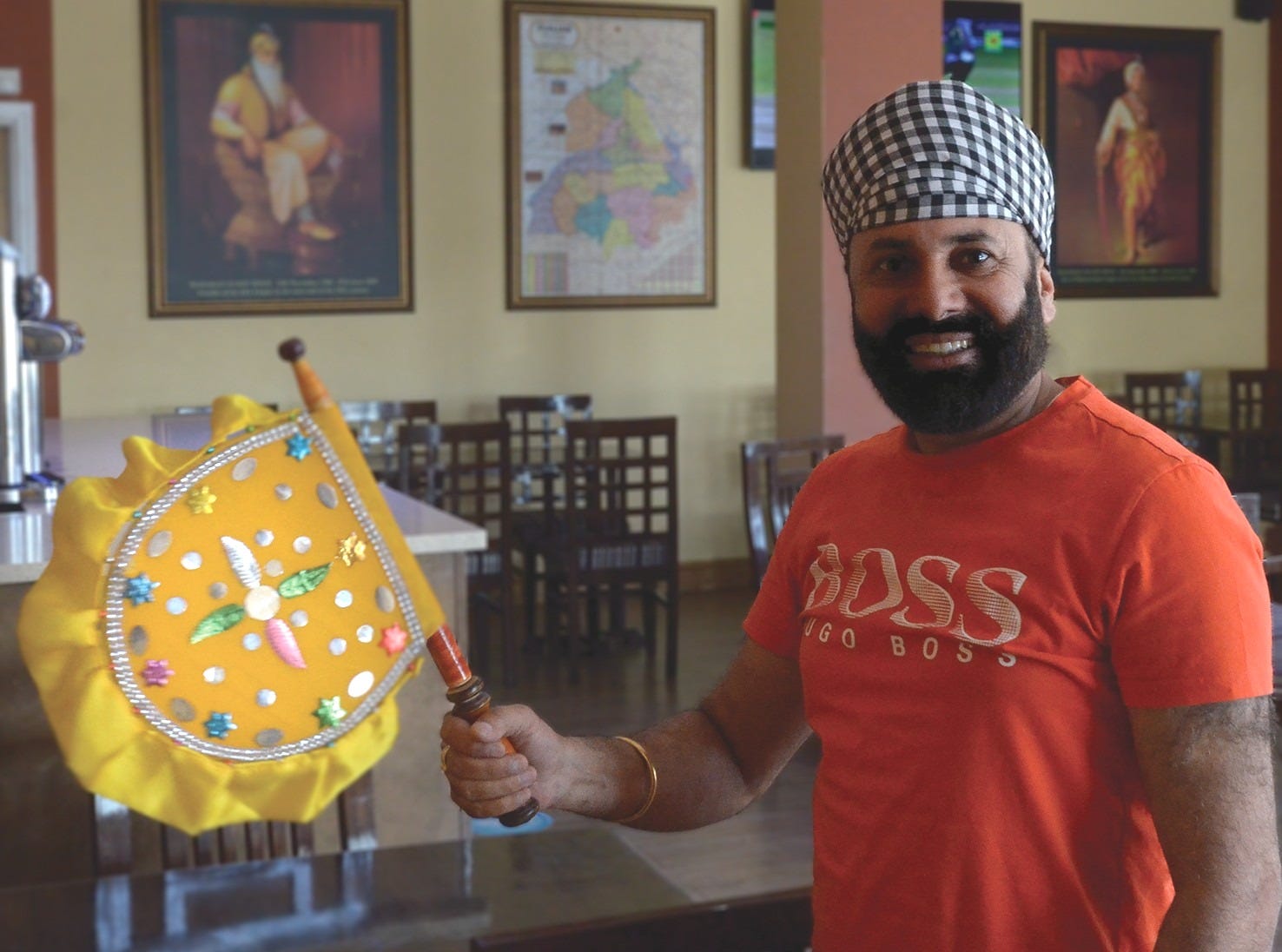
Shinda once told me: “Into the 1980s, no Indians were allowed. Then they allowed us in [in the 1990s] but only on one side.” The colour bar is part of Southall’s history and the British civil rights movement, as another pub showed - the Hambrough Tavern.
Keep reading with a 7-day free trial
Subscribe to Episodes of My Pub Life & Desi Food Guide to keep reading this post and get 7 days of free access to the full post archives.